
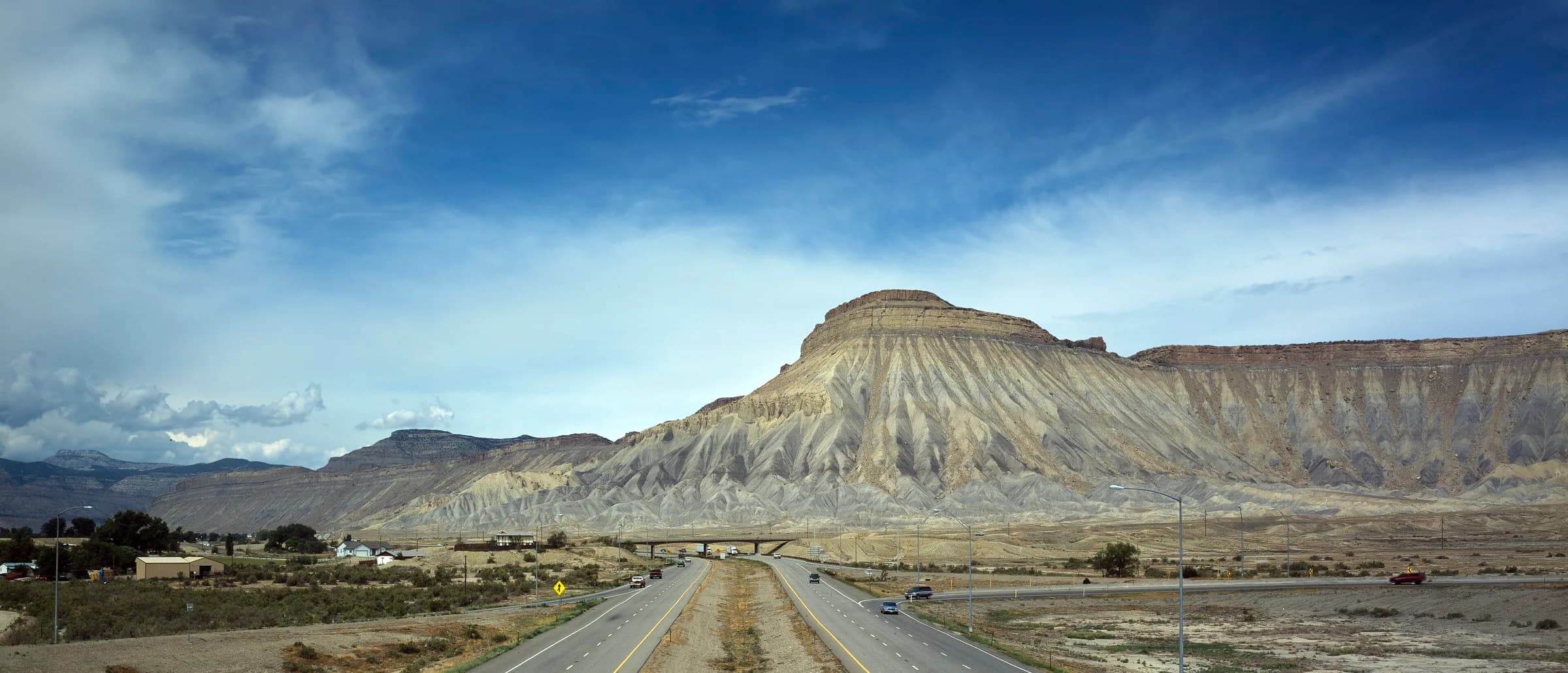
Car Shipping from Grand Rapids, MI to Tampa, FL
A north-to-south run from the lake-effect snowbelt of West Michigan through Indiana, Kentucky and Tennessee to the Gulf coast of Florida, on one of the busiest seasonal corridors in the country.
Route guide reviewed September 18, 2026. Every figure below is traced to a documented source, with the date it was checked.
Request a Quote for Grand Rapids, MI to Tampa, FL
Your route is filled in already. Correct it if the vehicle is being collected or delivered somewhere else, and change the addresses at the next step if either end needs a different pickup point.
Contact details are requested last, after the shipment details. Nothing is submitted without a disclosure explaining how your information is used and shared.
Cost and Timing on This Route
Grand Rapids, MI to Tampa, FL is a long-distance shipment, so both the cost and the schedule depend on the same handful of things: the total mileage, whether the pickup and delivery addresses can be reached by a full-size carrier, the vehicle itself, the transport method you choose, and how much room your dates leave.
- Verified distance
- 1,245 mi
A figure appears on a route guide only once it can be traced to a documented source, with that source and the date it was checked recorded alongside it. The route guide on this page was reviewed on September 18, 2026. Everything here is route geography and general transport practice; none of it is a quotation.
What makes this corridor different from a short regional move is the distance, and what sits inside it. A carrier has to place your vehicle on a trailer that is already working its way across the country, so the wait before pickup is a bigger part of the total than it would be on a short run, and a flexible pickup window is the most useful thing you can offer. Time on the road is then affected by the weather along the corridor, by how the carrier combines loads on the way, and by the traffic it meets on the way through.
Cost moves with the same factors plus the vehicle itself: its size and weight, whether it runs, and whether it travels open or enclosed. Read the cost factors explained on the homepage for how each of these influences a rate, and the transit time guide for what affects scheduling separately from the drive.
What Is Different About This Route
Grand Rapids to Tampa is a long-distance shipment, and the corridor it crosses is the reason for most of what follows.
Grand Rapids is on Interstate 96 and US 131, a little off the main north-south Interstates, so the trip starts with a short leg to reach one. The common line runs south to the Indiana line, picks up Interstate 65 or Interstate 69, and heads through Indianapolis, Louisville and Nashville before crossing into Georgia. From there Interstate 75 runs through Atlanta and down the length of Florida's spine to Tampa. Another line uses Interstate 75 for almost the whole trip, reaching it in Michigan or Ohio and staying on it through Cincinnati and Knoxville. Which one a carrier takes depends on what else is on the trailer; both are Interstate for the full distance, which is what a car carrier is built around.
The country changes more than the road does. West Michigan sits downwind of Lake Michigan and gets heavy lake-effect snow in winter. The Ohio Valley and the Cumberland Plateau in Tennessee bring hills and, in winter, ice. Atlanta is the single worst traffic bottleneck on the route, and a carrier plans its passage through the city rather than simply driving into it. Florida itself is flat, but it is long: Tampa is well over half a day of driving south of the state line for a loaded trailer. The other thing that shapes this corridor is the calendar. Michigan residents move to Florida for the winter and back in spring, and the trailers follow them, so the direction of the seasonal flow affects how easily a vehicle joins a load that is already going the right way.
Picking up in Grand Rapids, MI
- Grand Rapids is a little off the main north-south Interstates, so a trailer reaching it is usually one that is gathering vehicles across West Michigan before turning south. A wider pickup window helps here more than it would from a city that sits directly on Interstate 75.
- The older neighbourhoods close to downtown, including the historic districts on the hills east of the river, have narrow streets, on-street parking and mature trees. A full-size trailer often cannot stop safely there, and a handover at a nearby retail lot or wide arterial is the usual arrangement.
- Suburbs such as Wyoming, Kentwood, Grandville, Walker and the lakeshore towns are all served, but they sit on different sides of the metro. Give the exact address so the carrier can plan its approach and its order of collections.
- Winter changes what a driveway is. A drive that a trailer could use in October may be unusable in January if snow has been piled at its mouth, and a driver will not risk a loaded trailer on an icy slope. If pickup is in winter, expect the handover to happen on a cleared, level road.
- Say whether the vehicle starts and drives. A car that will not start in the cold is a common winter surprise at pickup, and a car that has to be winched on is loaded with different equipment and takes longer.
- Remove personal items and keep the fuel low. A trailer has weight limits, and the vehicle's contents are not covered by the carrier's cargo insurance in the way the vehicle is.
Delivering in Tampa, FL
- Tampa from a carrier's point of view is Tampa Bay, not the city. St. Petersburg, Clearwater and the rest of Pinellas County are across the bay on bridges and causeways, and Brandon, Riverview, Wesley Chapel and Lakeland spread the metro inland along the Interstates.
- A trailer arriving on Interstate 75 from the north reaches the northern and eastern suburbs first and the beaches last. Give the delivery address rather than the city, because the crossing to Pinellas and the barrier islands is a significant extra leg for a loaded trailer.
- The barrier-island beach communities, from Clearwater Beach down to St. Pete Beach, are reached over causeways and through narrow beach roads. A full-size carrier generally will not go out to them, and the delivery happens at a handover point on the mainland side.
- Gated and deed-restricted communities are very common around Tampa Bay, and many do not admit a commercial vehicle of this size or restrict the hours one may enter. Check the community rules before the delivery day and expect a handover outside the gate if they apply.
- Older Tampa neighbourhoods such as Seminole Heights and Hyde Park have narrow streets and, in places, brick paving and heavy oak canopy. They are exactly the streets a trailer cannot turn in, and the driver will propose a nearby lot instead.
- Inspect the vehicle with the driver against the pickup condition report before signing. A car that left Michigan in winter may arrive with road-salt residue, which is worth rinsing off promptly in a humid climate, but residue is not damage and the report is what the inspection is compared against.
Seasonal and booking considerations
- West Michigan gets heavy lake-effect snow from late autumn to early spring, and it can arrive suddenly and locally. A snow day at the pickup end delays collection even when the rest of the corridor is clear.
- Autumn is the busy direction on this corridor: seasonal residents and their vehicles head south from Michigan between October and December, and trailers fill quickly. Spring reverses it, when southbound space is easier to find and northbound is tight. Plan around which direction your vehicle is travelling and when.
- The Ohio Valley and the Tennessee hills see ice in winter, and Atlanta is the point on the route most likely to hold a trailer for hours in any season. Neither is something the carrier can route around.
- Florida's hurricane season runs from June to November. A named storm approaching the Gulf coast stops deliveries in the Tampa area and can hold a trailer well north of the state until it passes. If your dates fall in late summer or early autumn, keep them flexible.
- Summer afternoons in Florida bring daily thunderstorms with heavy rain and lightning. Unloading and inspection are done between them rather than in them, so an afternoon delivery in July is more likely to slip by an hour or two than a morning one.
Open or Enclosed Transport on This Route
This corridor's exposure is at the two ends rather than in the middle: road salt and slush in a West Michigan winter, and heavy rain, sun and humidity in Florida. Open transport handles both for an everyday vehicle, and it is what most trailers on this seasonal run are. Enclosed transport is the usual choice for a classic or high-value car making the winter trip south, where a season of salt on the way down is exactly what the owner is paying to avoid.
Factor
Open transport
Enclosed transport
Typical use
Open
The everyday choice for most vehicles
Enclosed
Chosen when the vehicle is valuable or hard to replace
Protection
Open
Exposed to weather and road debris
Enclosed
Fully enclosed trailer, so exposure is limited
Relative cost
Open
Usually the lower-cost method
Enclosed
Usually costs more
Availability
Open
Widely available on most routes
Enclosed
Fewer trailers, so availability is narrower
Ideal vehicle type
Open
Daily drivers, family cars, most SUVs
Enclosed
Classic, luxury, modified and high-value vehicles
What Happens After You Request This Route
This is a quote and matching service, not a carrier. We do not own trailers or drive vehicles, and the transport itself is carried out by transport providers. A request for Grand Rapids, MI to Tampa, FL is used to work out which transport options suit the shipment, and terms are agreed directly between you and the provider you choose.
Shipment details come first and contact details come last, so you can see how the process works before deciding whether to hand over a name, an email address or a phone number. Nothing is submitted without a disclosure explaining what is done with your information and who may contact you.
How requests are shared with transport partners is still being finalised, so no wording here promises a specific sharing arrangement. The privacy page sets out the position that is true today and will be replaced by the reviewed policy before any real requests are collected.
Grand Rapids to Tampa Car Shipping FAQs
The questions that come up most often about this specific route.
How long does car shipping from Grand Rapids to Tampa take?
No transit time is published for this route, because no figure has been checked against a documented source. It depends on the total distance, how quickly a carrier gathering in West Michigan can collect the vehicle, how loads are combined through the Ohio Valley and the Southeast, and whether winter weather at the north end, Atlanta traffic or Gulf coast storms interrupt the trip. Waiting for pickup and time on the road are separate parts of the total.
What does it cost to ship a car from Grand Rapids to Tampa?
There is no published price range for this route. Cost is driven by the distance, the exact pickup and delivery addresses, the size and weight of the vehicle, whether it runs, whether it travels open or enclosed, and how flexible your dates are. On this corridor the season matters more than most: the same route is priced differently when trailers are full of southbound seasonal vehicles in autumn than in the quieter months.
Is this a seasonal-resident route, and does that change anything?
Yes. Michigan-to-Florida is one of the most established seasonal corridors in the country. In autumn trailers heading south are busy and space is booked earlier; in spring the pattern reverses. If you are shipping with the flow, start the request earlier than you would otherwise. If you are shipping against it, availability is usually better.
Is open or enclosed transport better for this route?
Open transport is the standard, and it is what most trailers on this corridor are. The exposure worth thinking about is winter at the north end, where the vehicle travels through road salt and slush for the first day or so, and heavy rain in Florida. Enclosed transport removes both, and it is the usual choice for a classic, collector or high-value vehicle making the seasonal trip. For an everyday car, open is the normal answer.
Can the vehicle be picked up or delivered outside Grand Rapids and Tampa?
Usually yes. Towns across West Michigan and along the Florida Interstates are served by arrangement, and where a trailer cannot reach an address the handover happens at a nearby point a large vehicle can use. Say where the vehicle actually is when you start the request, particularly if it is on a barrier island or in a gated community.
What happens if a hurricane is forecast for the Tampa area?
Deliveries stop in the affected area, and a carrier will hold a trailer outside the storm's path rather than drive into it. The vehicle is not unloaded until it can be delivered safely. If you are shipping between June and November, keep the delivery date flexible and expect a delay of days rather than hours if a storm approaches the Gulf coast.
Get Your Grand Rapids, MI to Tampa, FL Quote
Your route is carried over, so you can start with the shipment details and leave the contact details until the end. Requesting options does not commit you to anything.